
Warehouse Worker Health
Packing for Longevity
Many of the risks in warehouse environments do not occur as single incidents, but instead develop gradually over time.
Warehouse & Logistics Workers
Warehousing and logistics operations depend on a workforce that is constantly moving, picking, packing, lifting, sorting and managing high volumes of goods under tight timeframes. In large-scale distribution environments, employees often work across extended shifts, with repetitive physical tasks and performance-driven workflows that place ongoing demands on both the body and mind.
While operational efficiency and safety are core priorities, the long-term health of workers is often less visible.
Fatigue, musculoskeletal strain, dehydration, cognitive load and metabolic health risks can accumulate, impacting both individual well-being and overall workforce performance.
For employers, this presents an opportunity to move beyond reactive health management and introduce a more structured approach to workforce health and longevity.
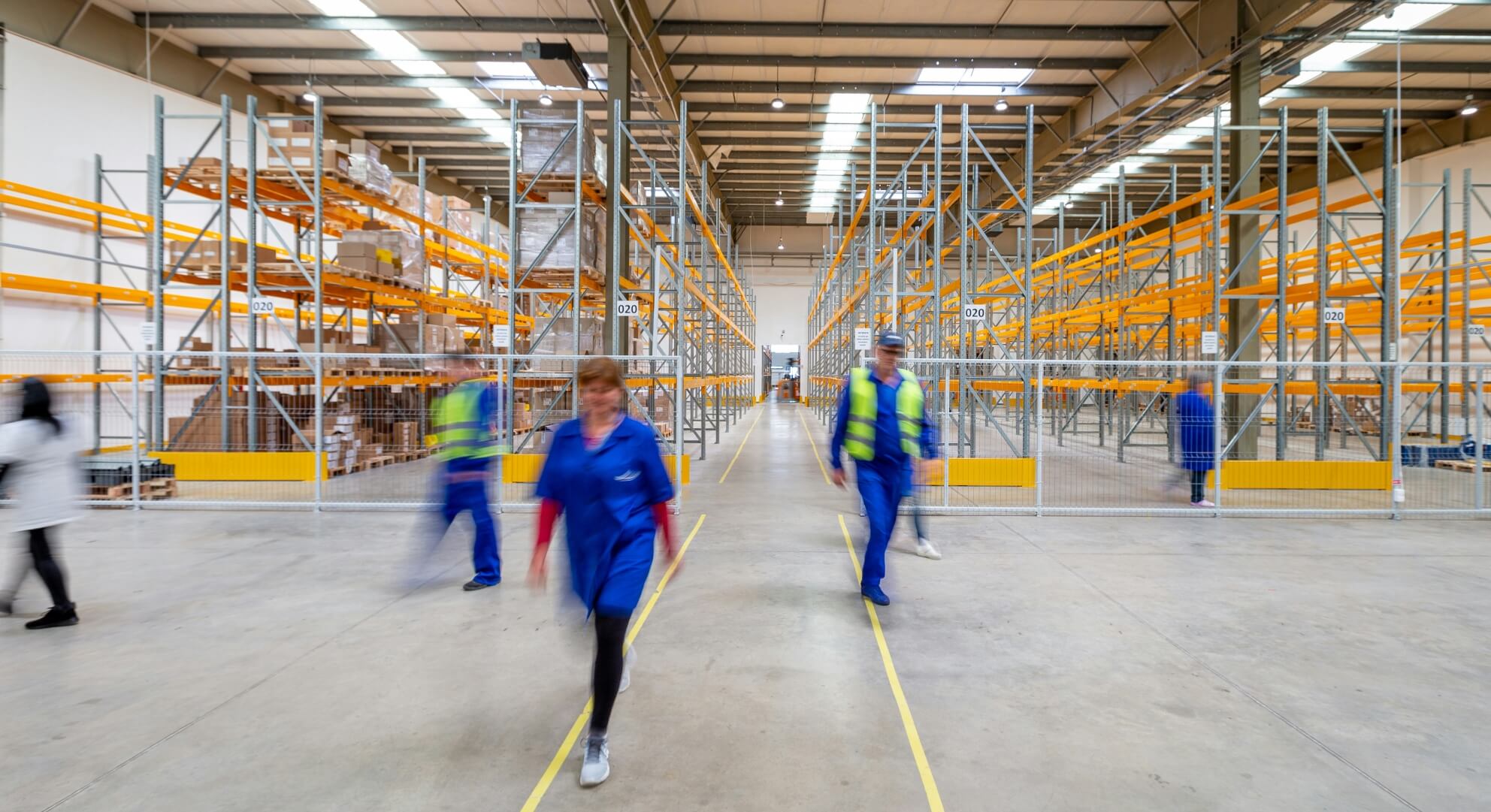
The Shelved Risk in Warehouses:Worker Health
In many logistics environments, health is monitored through periodic checks or incident reporting. This provides limited insight into how employee health is evolving day to day and over longer periods.
Visibility in Workforce Health
Biomarks.ai enables organizations to introduce continuous health visibility across their workforce by providing employees with a secure platform to upload and manage their health data in one place. This creates a longitudinal view of health, allowing individuals to track changes over time rather than relying on isolated results.
This approach makes it possible to identify these trends that directly influence performance in high-volume warehouse environments.
- Fatigue from long shift work
- Dehydration in hot indoor conditions
- Extra shifts during holiday seasons
- Lifting and carrying boxes
- Insufficient rest breaks
How Biomarks.ai Helps Visibility
The process begins with the health questionnaire which captures lifestyle behaviors, work conditions and individual risk factors. In warehousing and logistics roles, this helps contextualize shift patterns, physical workload and recovery habits.
Blood test insights provide a deeper view of internal health by analyzing markers such as cholesterol, glucose levels, inflammation, nutrient deficiencies and organ function. These insights are particularly valuable for identifying early signs of fatigue, metabolic stress and long-term health risks associated with physically demanding and shift-based work.
Urine test insights complement this by offering a simple, non-invasive way to monitor hydration, kidney function and metabolic balance. This is especially relevant in warehouse environments where continuous movement and physical exertion can lead to dehydration and fatigue.
Why Blood & Urine
Biomarkers Matter
Biomarkers provide objective, measurable data about what’s happening inside a worker’s body — often before any symptoms appear.
Hydration Levels
Critical for outdoor work. Dehydration directly impairs coordination, reaction time and decision-making.
Electrolyte Balance
Imbalances cause muscle cramps, weakness and cognitive impairment — common in heat-exposed workers.
Kidney & Liver Function
Monitors organ performance which can deteriorate silently under sustained physical and chemical exposure.
Blood Glucose & Metabolic Health
Unstable glucose levels affect energy, alertness and sustained performance on-site throughout the day.
Stress & Inflammation
Early detection of systemic inflammation reduces risk of long-term injury and chronic workplace illness.
Objective Fitness Assessments
Replace subjective self-reporting with real physiological data — know who is truly fit for work today.
Built for
Warehouse Employers
Six pillars of measurable value — from on-site safety to long-term workforce performance and regulatory compliance.
01
Reduce On-Site Accidents
Identify workers at physiological risk before they interact with heavy machinery, heights, or other hazards.
02
Strengthen OHS Compliance
Documented health monitoring processes and audit-ready reporting strengthen your duty of care posture.
03
Improve Fit-for-Work Assessments
Move from subjective periodic checks to objective, continuous physiological data — removing guesswork.
04
Reduce Absenteeism & Claims
Early health detection prevents undetected issues from escalating into injuries, illness or extended absence.
05
Manage Heat Stress & Fatigue
Detect dehydration early, monitor electrolytes, and prevent heat-related illness in outdoor environments.
06
Build a Safety Culture
Workers with visibility into their own health data become active participants in maintaining their wellbeing.
The Bottomline
This enables organizations to move beyond reactive health management and build a workforce that is not only safer, but healthier, more resilient and better equipped to sustain performance at scale.
"Monitoring biomarkers lets warehousing and logistics companies identify risks before they become incidents on site."
- Proactive over reactive
- Physiology-first approach
- Compliance built in

