
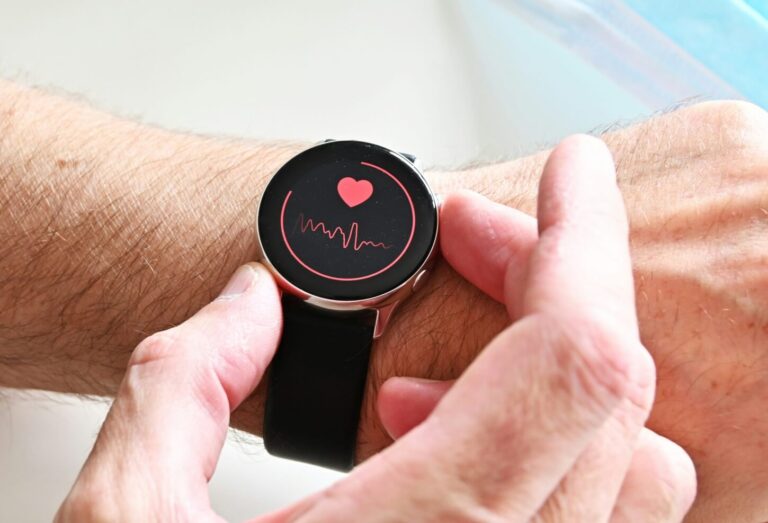
What are Heart Biomarkers?
Apolipoprotein B (Apo B)
This protein helps move fats (like cholesterol) around in your blood. When levels are high, it can mean you’re more likely to develop heart disease.
Example: Apo B is like trucks carrying fat. Too many trucks = traffic jams in arteries = higher heart disease risk.
How it’s measured: A simple blood test that specifically measures the Apo B protein.
Cholesterol / HDL Ratio
This compares your total cholesterol to the “good” HDL cholesterol. A lower ratio is better for heart health.
Example: If cholesterol is like money, HDL is your savings. More savings = less financial risk.
How it’s measured: Calculated from total cholesterol and HDL levels in a blood test.
HDL Cholesterol
HDL is the “good” cholesterol. It helps clean out bad cholesterol from your arteries and lowers heart disease risk.
Example: HDL is like a cleaning crew that removes garbage (bad cholesterol) from your blood vessels.
How it’s measured: Standard part of a lipid panel blood test.
HDL Large
This checks for large-sized HDL particles, which are especially good at protecting your heart.
Example: Bigger garbage trucks (HDL large) clean more efficiently than smaller ones.
How it’s measured: Advanced cholesterol testing using NMR (nuclear magnetic resonance) or ion mobility testing.
High-Sensitivity C-Reactive Protein (hs-CRP)
This measures inflammation in your body. High levels mean there’s ongoing inflammation, which is linked to diseases like heart disease, diabetes, and even Alzheimer’s.
Example: It’s like checking if your body’s alarm system is constantly on—signaling something is wrong inside, even if you don’t feel it yet.
How it’s measured: Blood test specifically labeled as “high-sensitivity CRP.”
LDL Cholesterol
This is the “bad” cholesterol. When levels are too high, it can stick to your artery walls and cause blockages.
Example: LDL is like sticky junk in pipes—too much and it clogs them up, stopping the flow.
How it’s measured: Standard part of a lipid panel blood test.
LDL Medium
Measures medium-sized LDL particles. Having too many can increase your chance of heart problems.
Example: Like medium-sized clumps of sludge in your plumbing. Not great for smooth flow.
How it’s measured: Specialized test using NMR lipoprotein analysis or ion mobility testing.
LDL Particle Number
Counts how many LDL particles (not just the amount of cholesterol) are floating in your blood. More particles = more risk of blockages.
Example: Like having hundreds of tiny pebbles in your pipes—even if they’re small, they can clog together.
How it’s measured: NMR (nuclear magnetic resonance) lipoprotein testing.
LDL Pattern
Tells if your LDL is mostly large (Pattern A) or small and dense (Pattern B). Pattern B is more dangerous because it clogs arteries more easily.
Example: Pattern B is like sand—it sneaks into cracks more than pebbles do.
How it’s measured: Determined through advanced lipoprotein testing like gradient gel electrophoresis or NMR.
LDL Peak Size
Looks at the average size of your LDL particles. Smaller ones are worse for your heart.
Example: Smaller LDL is like fine grit that can sneak into your arteries and stick.
How it’s measured: Part of NMR lipoprotein particle testing.
LDL Small
Checks for small, dense LDL particles. These are more harmful and linked to a higher risk of heart disease.
Example: Like fine glitter—it gets everywhere and is hard to clean out.
How it’s measured: NMR lipoprotein testing or ion mobility analysis.
Lipoprotein (a)
A sticky kind of cholesterol-carrying particle that runs in families. It can increase heart attack risk even if your cholesterol looks normal.
Example: Like inheriting a sticky type of fat truck—no matter how well you drive, it still causes accidents.
How it’s measured: Special blood test specifically for Lp(a) levels.
Non-HDL Cholesterol
Measures all the cholesterol in your blood except the good HDL. It gives a fuller picture of your heart health risk.
Example: Like counting all the troublemakers in a room—except the one good guy.
How it’s measured: Calculated by subtracting HDL cholesterol from total cholesterol in a standard lipid panel.
Total Cholesterol
This is the total amount of all types of cholesterol in your blood. Too much can raise your risk for heart problems.
Example: Like too much fat in your cooking oil—eventually it gums up the works.
How it’s measured: Part of a standard lipid panel blood test.
Triglycerides
These are fats stored in your body from food. High levels can signal too much fat in your blood, raising heart disease risk.
Example: Extra calories stored as fat = heavy traffic in your bloodstream.
How it’s measured: Part of a standard lipid panel blood test.

