
Let’s start simple. Biomarkers are like health clues your body leaves behind. They show up in your blood, urine, or other fluids and tell us what’s really going on inside—way before symptoms might show up.
Think of them like your body’s dashboard lights. Just like a car can warn you if your oil is low or your tire pressure is off, biomarkers warn you if something’s out of balance—whether it’s inflammation, hormone changes, nutrient deficiencies, or disease risk.
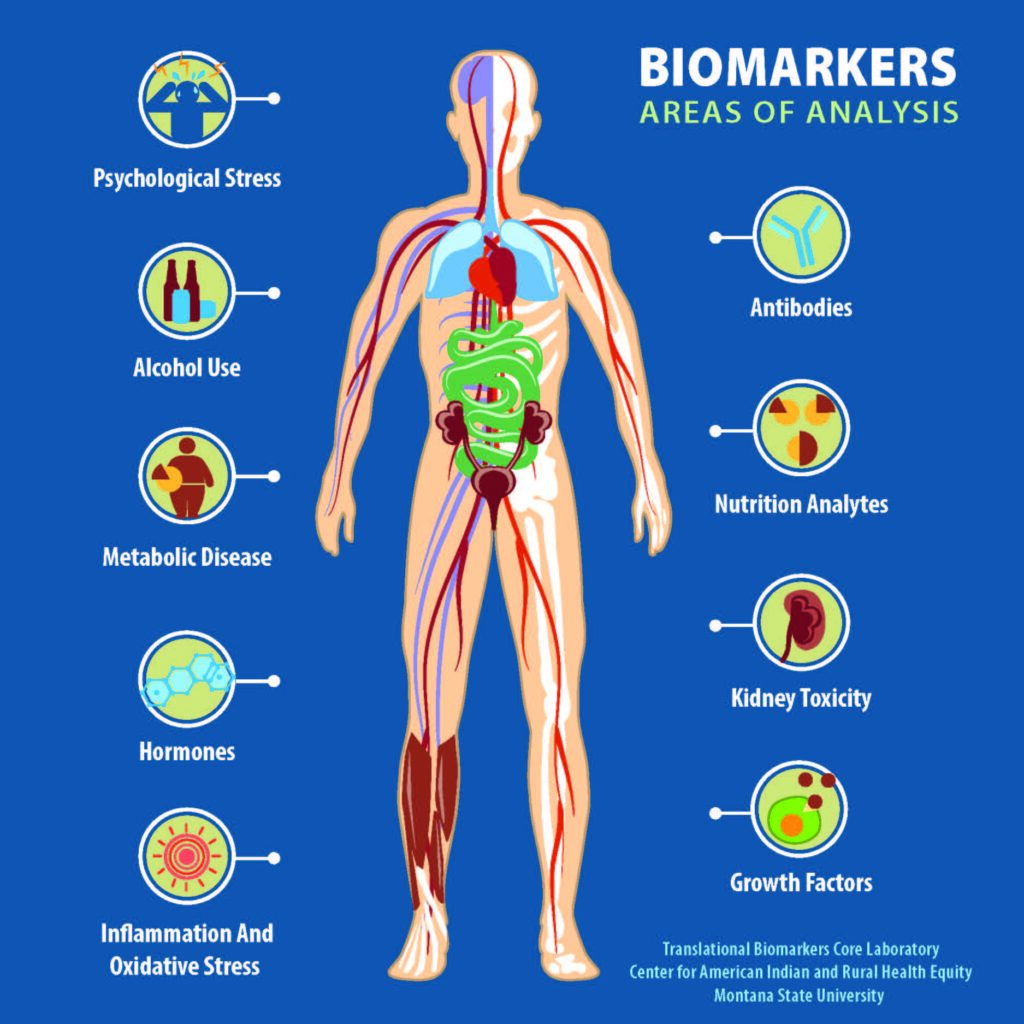
Why Should You Care About Biomarkers?
Because they give you real, actionable insights. Most of us go years without knowing our health is off-track—until something big happens. But biomarkers let you spot those issues early. You can track your risks for:
• Heart disease
• Diabetes
• Autoimmune disorders
• Thyroid dysfunction
• Cancer
• Nutrient imbalances
• And so much more
Basically, biomarkers are how you move from “reactive” healthcare (waiting for a problem) to “proactive” health (catching things early, or better yet—avoiding them altogether).
How Are Biomarkers Measured?
Most biomarkers are tested through a blood draw, but some require urine samples, and a few involve genetic testing or swabs (especially for infections or STDs).
Your results are compared to what’s considered a healthy range. If you’re above or below that range, it might mean something needs attention—like your blood sugar, hormone levels, or immune system.
How Often Should You Check Your Biomarkers?
Think of it like your health’s yearly check-in. For most people, a comprehensive biomarker panel once a year is perfect. But some tests—like inflammation or hormone markers—might be worth repeating every 6 months if you’re working on improving something.
If you’re tracking a specific issue (like thyroid function, fertility, or cholesterol), your doctor may suggest more frequent testing.
Biomarkers for Brain & Cognitive Health
Want to protect your brain as you age? Check your Apolipoprotein E (ApoE) genotype, which tells you about your genetic risk for Alzheimer’s.
Also helpful:
• Homocysteine and omega levels support cognitive function
• Vitamin D, B12, and magnesium are vital for mood and memory
Inflammation & Aging: Your Internal Alarm System
High-sensitivity C-Reactive Protein (hs-CRP) is a big one here—it shows hidden inflammation that could lead to heart disease, Alzheimer’s, or autoimmune issues.
Biological age testing is another incredible tool. Unlike your real age, this shows how your body is aging at the cellular level. And the best part? It’s changeable.
Heart & Metabolic Biomarkers: Know What Fuels You
Your heart and metabolism run the show behind the scenes. Important markers include:
• Cholesterol panel: HDL, LDL, triglycerides
• Insulin & glucose: Detect prediabetes early
• HbA1c: Your 90-day blood sugar average
• Leptin & adiponectin: Hormones that regulate appetite and fat-burning
• Uric acid: High levels are linked to gout and heart disease
• Omega-3s and omega-6s: Keep inflammation in check
These markers tell you how well your body uses energy, handles fats, and manages stress—all crucial for long-term health.
Immune Function & Autoimmunity
Your immune system needs to be balanced—not too weak, not too reactive. Biomarkers to keep an eye on:
• White blood cells: Basic immune health
• Lymphocytes, neutrophils, monocytes, eosinophils, basophils: Types of WBCs that fight infection
• ANA (antinuclear antibodies): Screens for autoimmune conditions
• Rheumatoid factor: Can point to rheumatoid arthritis
• Celiac panel: For gluten-related autoimmune issues
• Lyme tests (IgG & IgM): Especially if you’ve had tick exposure
Hormones & Thyroid Function
Your hormones are powerful—and when they’re off, you’ll feel it. These are important for energy, metabolism, mood, sleep, and fertility:
• TSH, T3, T4, TPO, TgAb: Thyroid panel
• Testosterone (free & total)
• Estrogen (Estradiol, E2)
• FSH & LH: Fertility and reproductive health
• DHEA-Sulfate: Youth and stress resilience
• Cortisol: Your stress hormone
• Prolactin: Reproduction and mood
• SHBG: Manages sex hormone activity
• hCG: Early pregnancy hormone
• AMH: Ovarian reserve and fertility in women
Whether you’re navigating menopause, trying to conceive, or just want more energy—your hormones have a say.
Cancer Screening Biomarkers
Early detection saves lives. Tests like the Galleri Multi-Cancer Detection Test can screen for 50+ types of cancer from one blood sample.
Other important markers include:
• PSA (Prostate-Specific Antigen): For prostate health
• Free vs. Total PSA %: Helps avoid unnecessary biopsies
Liver, Kidney, and Pancreas Function
Your detox organs do a lot of heavy lifting. Keep them happy with tests like:
• ALT, AST, ALP, GGT, bilirubin: Liver health
• BUN, creatinine, eGFR, microalbumin: Kidney health
• Amylase & lipase: Pancreas function
They help your body clear out waste, balance nutrients, and regulate hydration.
Electrolytes & Nutrients
You can’t feel your electrolytes—but when they’re off, everything’s off. Look at:
• Sodium, potassium, magnesium, calcium, chloride
• Iron, ferritin, vitamin D, zinc, selenium, copper, B12, MMA, iodine
• Omega ratios (3s & 6s)
• Homocysteine: Linked to B vitamin levels and heart risk
Urine Biomarkers: Easy Clues from a Simple Test
Urine panels can detect everything from kidney health to infections and hydration levels. Look at:
• Protein, glucose, ketones, blood (occult), leukocytes, nitrites
• RBCs, WBCs, pH, specific gravity, clarity, color
• Microalbumin: Early kidney stress
• Yeast or bacteria: Infections
• Squamous cells: Contamination or infection risk
Heavy Metals: Low-Level Exposure, Big Risk
You might not realize you’ve been exposed to heavy metals, but testing helps you find out:
• Lead, mercury, arsenic, aluminum: Can cause nerve damage, hormone imbalance, infertility, and brain fog
These are add-on tests, but worth considering if you suspect environmental exposure.
Wrapping It All Up: Your Health, Your Data
Biomarkers aren’t just for people who are sick. They’re for anyone who wants to live longer, feel better, and take control of their future.
Monitoring your biomarkers regularly helps you:
• Catch problems early
• Personalize your health strategy
• Optimize energy, sleep, weight, mood, and performance
• Slow down aging
• Feel empowered, not confused, by your health
You don’t need to be a doctor to understand your body—you just need the right information.
Let your body’s data lead the way—because your future health is worth investing in.

