
Emergency Worker Health
for those who protect us
Emergency services professionals operate at the frontline of society, responding to critical incidents, making high-pressure decisions, and working in physically and mentally extreme environments.
Emergency Workers Health Improvement for Longevity
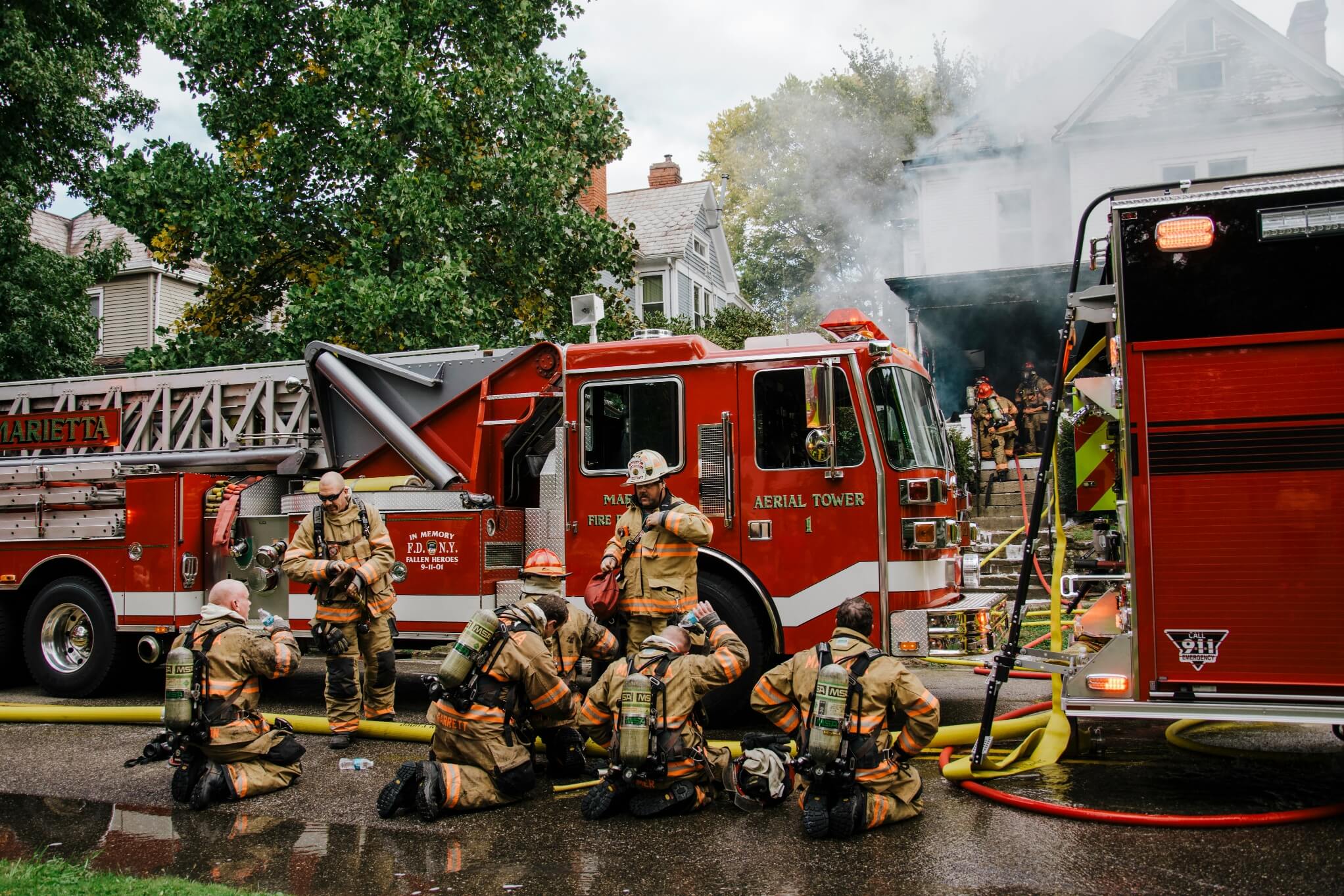
Police officers, firefighters, paramedics, and ambulance crews face unpredictable schedules, exposure to trauma, intense physical demands, and prolonged stress over the course of their careers.
While these roles are built around protecting others, the long-term health of the individuals performing them is often overlooked. Many of the risks are not immediate but build gradually over time, affecting cardiovascular health, cognitive performance, respiratory function, and overall longevity. This is where a more proactive, data-driven approach to health becomes essential.
From Reactive Care to Continuous Health Intelligence
Traditional health models rely on annual check-ups or incident-driven care. Biomarkers measurable indicators found in blood, urine and other biological systems act as early warning signals of what is happening inside the body, often before symptoms appear.
Actionable Health Profiles
Biomarks.ai enables emergency services personnel to move beyond one-off assessments by creating a continuous, centralized view of health.
Turn fragmented medical information into a clear, actionable health profile by:
- Uploading Health Data
- Completing Health Assessments
- 3-4 minute self tests on mobile phones
- Track changes over time
Building a Complete Health Profile
The process begins with the health questionnaire, which captures lifestyle factors, family history, and behavioral risks. This is particularly relevant for emergency services where sleep disruption, stress exposure, and shift work play a significant role in long-term health outcomes.
From there, blood test insights provide a deeper view of internal health by analysing markers such as cholesterol, glucose (HbA1c), hormone balance, nutrient levels, and organ function including liver and kidney performance.
Complementing this, urine test insights offer a non-invasive way to monitor hydration, kidney function, and metabolic health which is critical for roles exposed to heat, dehydration, and prolonged physical exertion such as firefighting and field operations.
Together, these inputs create a comprehensive and continuous understanding of health across time.
Built for Emergency
Services Employers
Biomarks.ai extends beyond traditional biomarkers into functional and performance based testing that directly aligns with the demands of emergency services roles.
01
Biological Age Test
Provides a clear indication of how an individual’s body is ageing relative to their chronological age, helping to highlight the cumulative impact of stress, shift work, and operational intensity over time.
02
Brain Cognitive Test
Evaluates memory, reaction time, and focus capabilities that are critical when making rapid decisions in high-pressure, time-sensitive situations.
03
Vision Screening Test
04
Lung Function Test
Enables ongoing monitoring of respiratory health, which is especially relevant for firefighters and paramedics exposed to smoke, airborne particles, and environmental hazards.
Empowering Individuals While Protecting Privacy
A key strength of Biomarks.ai is its privacy-first approach. Employees retain full ownership of their personal health data, while organizations receive only anonymized, aggregated insights.
This allows emergency services organizations to identify broader workforce trends such as fatigue, hydration, or respiratory risks without accessing individual records. The result is a system that builds trust while still enabling smarter, data-driven decisions at an organizational level.
Improving Longevity, Performance, and Career Sustainability
Emergency services careers often span decades, and the cumulative toll of stress, irregular schedules, and physical demands can significantly impact long-term health.
By providing continuous visibility through Biomarks.ai, employees can detect early warning signs, make informed lifestyle decisions, and maintain higher levels of energy, focus, and resilience over time.
For organizations, this translates into a healthier workforce, improved retention, and stronger operational performance.
A New Standard for Emergency Services Health
Emergency services have always been built around preparation, response, and resilience. The next step is extending that mindset to workforce health.
By integrating questionnaires, biomarker analysis, and functional testing into a single platform, Biomarks.ai is setting a new standard for how emergency services organizations can support the long-term health and longevity of their people.
Because those who protect the public deserve the same level of protection when it comes to their own health.
"Monitoring biomarkers lets emergency services organizations identify risks before they become incidents and not after."
- Proactive over reactive
- Physiology first approach
- Compliance built in

