
Oil & Gas Worker Health
is Critical Infrastructure
In oil and gas, every critical system is monitored, measured and controlled with precision. Pressure levels are tracked in real time, equipment is maintained to exact specifications, and operations are governed by strict protocols designed to eliminate risk.
Oil Rig & Gas Workers
Yet there is one system that remains largely unmanaged in real time, the human operating the asset!
Across offshore rigs, LNG facilities, refineries, and remote drilling sites, workforce performance is the final control layer. When that layer is compromised through fatigue, dehydration, or underlying health issues, even the most sophisticated operational systems can be exposed.
Biomarks.ai introduces a new category of operational control by enabling continuous workforce health monitoring through blood test analysis and urine biomarkers, giving companies visibility into a risk factor that has historically been difficult to measure.
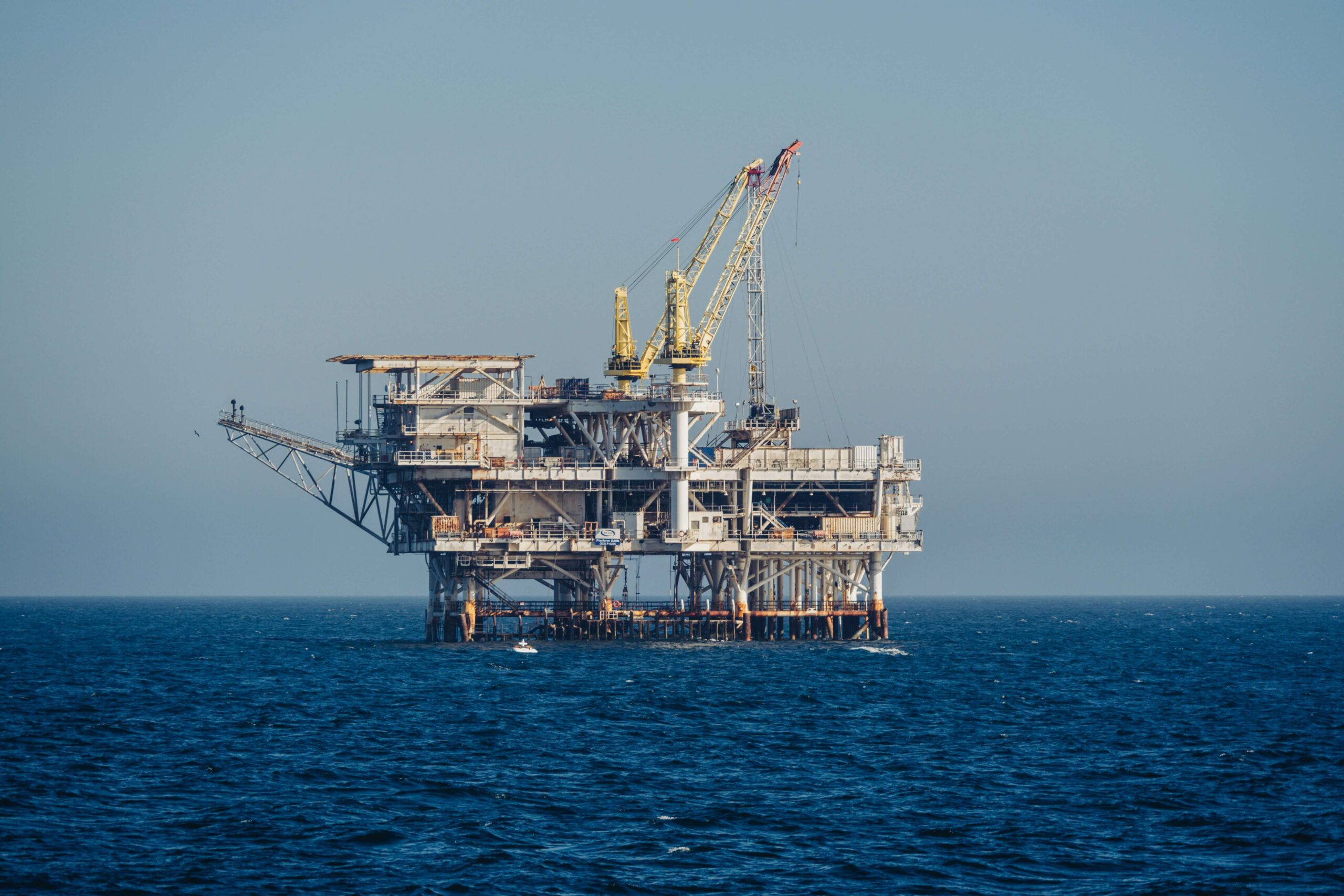
Biggest Risk on Oil Rigs & Gas Sites:Worker Health
The oil and gas is an industry where small errors can quickly escalate into significant events.
Physiological Reality of Oil & Gas Work
Workers in oil and gas operate under conditions that place sustained pressure on the body. Long shifts, often extending to twelve hours or more, are combined with multi-week rotations that disrupt natural sleep cycles. Offshore environments introduce isolation, while extreme temperatures and physically demanding tasks further increase strain.
Over time, these factors can develop gradually, often without obvious symptoms, until they begin to affect performance.
- Fatigue from harsh weather conditions
- Dehydration from working around fumes
- Poor sleep and insufficient recovery
- Metabolic Imbalances
- Cardiovascular Stress
Human Performance Is a Risk
Oil and gas is an industry where small errors can quickly escalate into significant events. A delayed reaction in a control room, a lapse in concentration during a pressure adjustment, or reduced alertness when handling hazardous materials can have serious operational and safety consequences.
While mechanical systems are continuously monitored, human performance is still typically assessed through periodic medicals, pre-shift checks, and self-reporting.
These approaches provide only a snapshot in time, whereas the physiological condition of workers is constantly changing.
This gap creates a blind spot in an otherwise highly engineered and controlled environment.
Why Blood & Urine
Biomarkers Matter
Blood and urine biomarkers provide objective insights into hydration, organ function, metabolic health, and physiological stress. Unlike observational assessments, they deliver measurable data that helps organizations identify fatigue, strain, and emerging health risks early. This allows companies to make more informed, proactive decisions around workforce health, safety, and operational performance.
Hydration Levels
Critical for outdoor work. Dehydration directly impairs coordination, reaction time and decision-making.
Electrolyte Balance
Imbalances cause muscle cramps, weakness and cognitive impairment — common in heat-exposed workers.
Kidney & Liver Function
Monitors organ performance which can deteriorate silently under sustained physical and chemical exposure.
Blood Glucose & Metabolic Health
Unstable glucose levels affect energy, alertness and sustained performance on-site throughout the day.
Stress & Inflammation
Early detection of systemic inflammation reduces risk of long-term injury and chronic workplace illness.
Objective Fitness Assessments
Replace subjective self-reporting with real physiological data — know who is truly fit for work today.
Embedding Health Intelligence Into Operations
Biomarks.ai integrates health data from brain cognitive tests, blood and urine testing, wearable devices, and medical screenings into a single, continuous view of workforce health. Rather than treating health assessments as isolated events, the platform builds a longitudinal understanding of each worker and the broader workforce.
This enables operations teams to see trends over time, identify emerging risks across shifts or locations, and make more informed decisions about workforce readiness. Health data becomes part of the operational picture, rather than sitting separately in compliance systems.
The result is a shift from reactive management to proactive control.
Where This Creates the Most Value
In control room environments, where cognitive performance is critical, even small declines in focus or reaction time can have meaningful consequences. Having visibility into underlying health factors provides an additional safeguard in these high-stakes roles.
In offshore and remote locations, where access to medical care is limited, early detection of issues can prevent the need for emergency evacuations and reduce disruption to operations. The ability to monitor health remotely ensures that risks are identified before they escalate.
During shutdowns and high-intensity operational periods, when workloads increase and timelines are compressed, workforce strain is at its peak. Monitoring physiological indicators allows companies to better manage fatigue and maintain performance during these critical windows.
Across multi-contractor environments, where consistency can be difficult to achieve, a standardized approach to health monitoring creates a unified baseline for what it means to be fit for work.
From Compliance Requirement to Operational KPI
Workforce health has traditionally been treated as a compliance obligation. In oil and gas, it should be viewed as a core operational metric.
When workers are physically and mentally prepared, performance is more consistent, decision-making is sharper, and the likelihood of incidents decreases. Absenteeism is reduced, and teams are better able to sustain performance over long rotations.
By quantifying and tracking health data, companies can manage workforce readiness with the same discipline applied to equipment, production, and safety systems.
The Next Step in Predictive Operations
The oil and gas industry has already embraced predictive maintenance to anticipate equipment failure before it occurs. The next evolution is applying that same thinking to the workforce.
Instead of responding to incidents after they happen, companies can identify leading indicators of risk through biomarker data. This enables earlier intervention, better planning, and more resilient operations.
The Bottomline
Oil and gas companies operate some of the most advanced and tightly controlled systems in the world. However, the human element has remained one of the least visible variables in that system.
Biomarks.ai closes this gap by providing real-time insight into workforce health, allowing companies to manage human performance with the same precision as their physical assets.
In an industry where the margin for error is small, the most critical infrastructure is not just what is built or operated. It is the people who make it possible.
"Monitoring biomarkers allows oil and gas companies to identify risks before they become major catastrophes!
- Proactive over reactive
- Physiology-first approach
- Compliance built in

