
Manufacturing & Industrial Workforces: Improving Health, Safety and Long-Term Workforce Performance
Manufacturing and industrial environments rely on a workforce operating machinery, managing production lines, and maintaining critical infrastructure every day. These roles are physically demanding, often repetitive, and frequently performed in environments that expose workers to noise, heat, dust, and long shifts.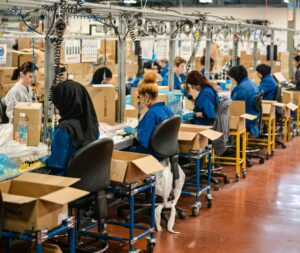
While safety protocols are well established across the industry, long-term health is often less visible. Many of the risks faced by manufacturing workers do not occur suddenly. Instead, they develop gradually over time, impacting cardiovascular health, respiratory function, cognitive performance, and overall physical resilience.
For employers, this creates a clear opportunity to move beyond reactive health management and introduce a more structured, data driven approach to workforce health and longevity.
Creating Visibility Across Workforce Health
In many industrial environments, health is measured through periodic checks or incident-based reporting. This approach provides limited visibility into how health is changing over time.
Biomarks.ai enables organizations to introduce continuous health visibility across their workforce. Employees can upload and manage their health data in one secure platform, creating a longitudinal view of their health rather than relying on isolated reports.
This allows both employees and organisations to better understand trends such as fatigue, hydration, metabolic health, and early indicators of long-term conditions.
Biomarkers provide measurable insight into these changes and allow risks to be identified earlier, before they impact performance or wellbeing.
Building a Structured Health Profile
The process begins with the health questionnaire, which captures lifestyle behaviours, work patterns, and individual risk factors. In manufacturing environments, this provides important context around shift work, physical demands and environmental exposure.
Blood test insights provide a deeper view of internal health by analysing markers such as cholesterol, glucose levels, inflammation, nutrient deficiencies, and organ function. These indicators help identify early signs of fatigue, metabolic strain, and long-term health risks that may otherwise go unnoticed.
Urine test insights complement this by providing a simple and non-invasive way to monitor hydration, kidney function and metabolic balance, particularly relevant for workers exposed to heat, physical exertion and dehydration.
Together, these inputs create a structured and scalable approach to understanding workforce health.
Monitoring the Systems That Matter in Industrial Environments
Biomarks.ai extends beyond core biomarker analysis into functional testing aligned to the demands of manufacturing and industrial roles. The Biological Age Test provides insight into how physical workload, shift patterns, and lifestyle factors are influencing long-term ageing and resilience, while the Brain Cognitive Test evaluates focus, reaction time, and decision-making capability which is critical in environments where machinery operation and situational awareness are essential.
Visual performance is supported through the Vision Screening Test, helping ensure accuracy and hazard detection on the factory floor, while the Hearing Test enables ongoing monitoring of exposure to industrial noise and long-term hearing degradation. In addition, the Lung Function Test provides important insights into respiratory health, particularly for workers exposed to dust, fumes, chemicals, and airborne particles.
Together, these assessments provide a comprehensive view of the physical and cognitive systems that underpin safety, performance, and long-term workforce sustainability.
Supporting Employees While Maintaining Privacy
Biomarks.ai is designed to ensure employees retain full ownership of their personal health data, while organisations receive only anonymised and aggregated insights.
This enables employers to identify broader trends across the workforce such as fatigue patterns, hydration risks, or respiratory issues, without accessing individual-level information. The result is a system that supports employee trust while enabling more informed operational decisions.
Improving Workforce Longevity and Operational Performance
Manufacturing careers often span decades, with cumulative exposure to physical demands and environmental conditions impacting long-term health outcomes.
Providing employees with continuous visibility into their health allows them to better manage fatigue, recovery, and overall wellbeing. Over time, this contributes to improved energy levels, stronger resilience, and more sustainable performance.
For organisations, this leads to a more stable and engaged workforce, reduced absenteeism, and improved productivity across operations.
A Structured Approach to Workforce Health
Manufacturing and industrial environments have long focused on safety, efficiency, and output. The next step is integrating health and longevity into that framework.
By combining health questionnaires, biomarker analysis, and functional testing into a single platform, Biomarks.ai provides a structured approach to understanding and improving workforce health over time.
This enables organisations to move beyond reactive health management and build a workforce that is not only safer, but healthier, more resilient, and better equipped to sustain performance over the long term.

